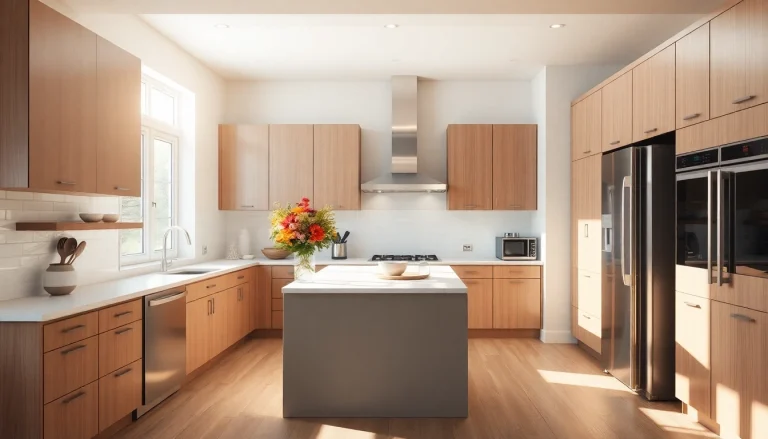

Understanding the Importance of Painting in Home Decor
Painting is more than just the application of color to a surface; it is a powerful tool for transforming spaces and expressing individual style. In the realm of home decor, the right choice of painting can significantly enhance a room’s aesthetic appeal while also affecting mood and atmosphere. This article delves into the emotional impact of colors, how they influence room atmosphere, and how to select the right style for your space.
The Emotional Impact of Colors in Painting
The colors we choose in painting can evoke a cascade of emotions, impacting how we feel when we enter a room. Colors are inherently linked to psychological responses. For example, warm colors like reds, oranges, and yellows tend to evoke feelings of warmth and coziness but can also trigger emotions like anger or frustration if overused. Conversely, cool colors such as blues and greens are often associated with tranquility and calm, promoting relaxation in spaces like bedrooms or reading nooks.
How Painting Influences Room Atmosphere
The atmosphere of a room can be dramatically influenced by the choice of paint color and technique. For instance, light colors can make a space feel larger and more open, creating an airy atmosphere, while dark colors can provide a sense of intimacy and coziness. The technique used in application—whether smooth finishes, textures, or contrasts—can further enhance this effect. Accent walls or eye-catching murals can transform an ordinary space into a vibrant environment, inspiring creativity, comfort, or serenity depending on intent.
Selecting the Right Style for Your Space
Choosing the right painting style that complements your home decor is crucial. Whether it’s traditional, contemporary, or eclectic, understanding your personal aesthetic and the existing decor can guide your decisions. For example, abstract pieces can provide a modern touch in minimalist settings, while classic landscapes can enhance a traditional environment. It’s essential to consider proportion, placement, and interaction with other decor elements to achieve a harmonious look.
Popular Painting Techniques for Beginners
For beginners exploring the world of painting, it can be daunting to choose the right techniques. This section covers some popular methods, including the differences between acrylic and oil painting, watercolor basics, and techniques for creating texture.
Acrylic vs. Oil Painting: Pros and Cons
Acrylic and oil paints dominate the art world, each possessing unique properties that cater to different preferences and styles. Acrylic paints dry quickly, are water-soluble, and are known for their bright colors and versatility. For beginners, the quick drying time can be advantageous, allowing for layering techniques without long wait times. However, this can sometimes make blending colors challenging.
On the other hand, oil paints dry slowly, giving artists more time to work and blend their colors on the canvas. This prolonged working time is ideal for creating rich textures and details but requires a different setup due to the use of solvents for cleaning and thinning paint. The choice ultimately depends on personal preference, desired effects, and the time one can commit to the project.
Mastering Watercolor: Tools and Tips
Watercolor painting is an excellent choice for beginners due to its accessibility and portability. Essential tools include watercolor paints, brushes, and high-quality watercolor paper, which are critical for achieving the best results. Beginners should practice basic techniques such as wet-on-wet, wet-on-dry, and dry brush for varied effects. Experimenting with pigment control, such as blending and layering washes, can lead to stunning results and provides a solid foundation for more complex work.
Creating Texture: Techniques to Try
Texture can add depth and interest to any painting. Techniques such as sponging, stippling, and using palette knives can create unique surfaces resembling various materials like stone or fabric. Beginners can experiment with common household items—for example, using a sponge to apply paint for an abstract, textured effect. Layering different techniques will enrich the viewing experience, encouraging viewers to engage with the artwork more closely.
Incorporating Painting into Your Interior Design
Painting plays a pivotal role in interior design. This section explores how to incorporate paintings into your decor through theme selection, creating gallery walls, and balancing with other decor elements.
Choosing Themes: Modern, Rustic, and Traditional
When selecting paintings for your home, it’s essential to align them with your overarching interior design theme. Modern decor often features abstract canvases or bold prints with minimalistic frames, providing clean lines that reflect contemporary aesthetics. Rustic themes benefit from landscapes, farm scenes, or vintage-inspired works that evoke nostalgia and warmth. Traditional spaces can incorporate classical portraiture or still life pieces, creating a sense of elegance and history.
Gallery Walls: Arranging Your Paintings
Gallery walls are a trendy way to display a collection of paintings and photographs, serving as a focal point in any room. Begin by selecting a mix of artworks with varying sizes and frames to create a visually interesting arrangement. It’s advisable to lay out the arrangement on the floor before finalizing the display on the wall, ensuring it is balanced but also eclectic in nature. Remember that spacing between pieces should be consistent to create a unified look.
Balancing Paintings with Other Decor Elements
Paintings should complement and not overpower other elements in a room. Consider the colors and styles of existing furniture, textiles, and decor while selecting artwork. A vibrant painting can become the focal point, but it should harmonize with the room’s overall palette. Mixing different mediums—such as integrating three-dimensional pieces or textiles—can further enhance the decor and create an immersive visual experience.
The Process of Creating Your Own Painting
Now that we’ve explored the significance of painting and the techniques involved, let’s dive into the hands-on adventure of creating your painting. This section will guide you through finding inspiration, a step-by-step painting process, and refining your skills.
Finding Inspiration for Your Artwork
Inspiration can come from various sources—nature, everyday life, personal experiences, or even art history. Keeping a sketchbook handy for jotting down ideas, sketching forms, or capturing fleeting moments can help foster creativity. Additionally, visiting galleries, following artists on social media, or even engaging with local art communities can inspire your work. Surround yourself with diverse influences to find your unique artistic voice.
Step-by-Step Painting Guide for Beginners
To navigate the painting process, follow this straightforward guide:
- Preparation: Gather your materials: paints, brushes, canvas, palettes, and water. Set up a well-lit workspace.
- Sketching: Lightly sketch your composition on the canvas. This guideline will help maintain proportions.
- Base Coat: Apply a base coat with a large brush to cover the canvas. This color sets the tone.
- Layering Colors: Start layering your colors, working from background to foreground. Use smaller brushes for details.
- Refinement: Step back to review your work. Make adjustments and add detail where needed.
- Final Touches: After letting it dry, add any finishing touches or protective coating.
Refining Your Skills: Practice and Experimentation
As with any skill, painting improves with practice. Set aside dedicated time for both structured practice and free experimentation. Explore different styles and techniques without the pressure of producing a perfect piece. Joining workshops or online courses can also provide valuable feedback and support. Over time, as your confidence grows, so will your artistic capabilities.
FAQ: Common Questions About Painting
What are the best types of paint for beginners?
For beginners, acrylic paint is highly recommended due to its versatility, quick drying time, and ease of use. Watercolor is also accessible and forgiving, perfect for those exploring fluid mediums.
How do I choose colors that match my decor?
Start by examining the existing color scheme in your space. Use complementary color wheels, and select hues that evoke the desired emotions and harmonize with your decor to ensure cohesion.
What supplies do I need to start painting?
Basic supplies include paint (acrylic or watercolor), various brushes, a palette for mixing colors, canvas or paper, and water for cleaning. More advanced artists might invest in additional tools and mediums as skills grow.
How can I improve my painting skills?
Improving painting skills involves consistent practice, studying techniques, and experimenting with new styles. Seek criticism, attend workshops, and watch tutorials to gain insights from more experienced artists.
Where can I find inspiration for my next painting?
Inspiration can be derived from nature, photography, literature, and art history. Visiting art galleries, exploring online platforms, or spending time in your environment can spark creativity.