Understanding the Basics of Kitchen Remodeling
What Is Kitchen Remodeling?
Kitchen remodeling is the process of enhancing or redesigning a kitchen space to improve functionality, aesthetic appeal, and overall value. It involves significant changes that can range from minor updates, such as new cabinets or countertops, to extensive renovations including layout alterations, structural changes, and the integration of modern amenities. The goal is to create a space that not only reflects your personal style but also meets your cooking, dining, and entertaining needs.
Benefits of Kitchen Remodeling
Engaging in kitchen remodeling can offer multiple benefits:
- Increased Property Value: A well-executed kitchen remodel can significantly increase the market value of your home, often providing a return on investment that surpasses the initial costs.
- Functional Improvements: Remodeling allows you to create a layout that enhances your cooking efficiency, making meal prep more enjoyable and less time-consuming.
- Enhanced Energy Efficiency: By updating appliances and fixtures, you can lower energy consumption, leading to reduced utility bills while contributing to environmental sustainability.
- Aesthetic Appeal: New designs, color schemes, and materials can dramatically improve the look and feel of your kitchen, making it a more inviting space for family and guests.
- Better Organization: Custom cabinetry and storage solutions enable you to organize your kitchen more effectively, reducing clutter and increasing accessibility.
Common Kitchen Remodeling Styles
When considering a kitchen remodel, it's important to explore different design styles that cater to various tastes and functionalities. Some common styles include:
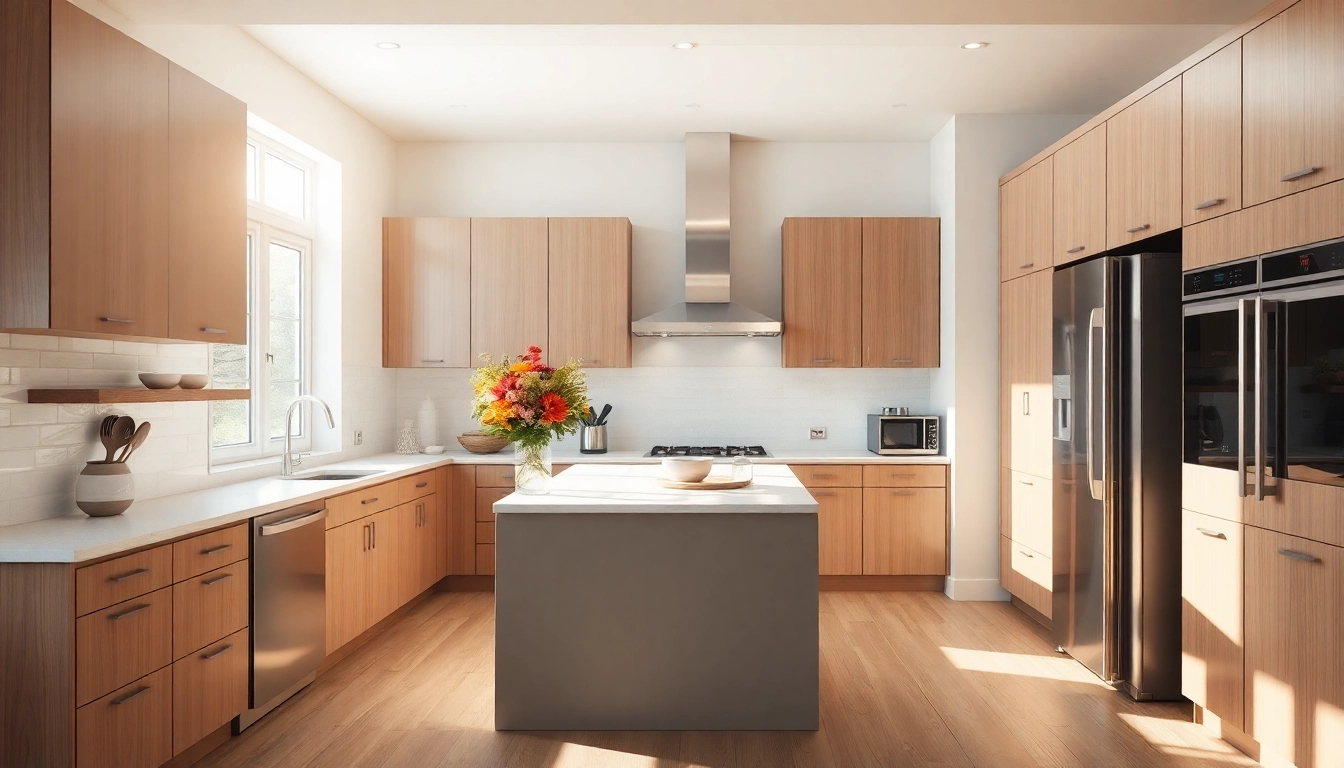
- Modern: Characterized by clean lines, minimal ornamentation, and an emphasis on functionality, modern kitchens often feature stainless steel appliances, sleek cabinetry, and open floor plans.
- Traditional: This style incorporates classic elements such as rich wood finishes, detailed moldings, and decorative fixtures. A traditional kitchen creates a warm and inviting atmosphere.
- Farmhouse: Emphasizing rustic charm, farmhouse kitchens feature elements like large sinks, reclaimed wood, and vintage-inspired décor, merging comfort with style.
- Industrial: This style showcases raw materials like exposed brick, metal finishes, and open shelving. Industrial kitchens often have a rugged, urban aesthetic.
- Transitional: A blend of traditional and modern styles, transitional kitchens allow flexibility in design choices, combining contemporary features with classic details.
Planning Your Kitchen Remodeling Project
Setting a Budget for Kitchen Remodeling
Establishing a realistic budget is essential for any kitchen remodeling project. To avoid overspending, consider these steps:
- Define Your Priorities: Determine which elements of your remodel are most important to you, such as new appliances, cabinetry, or layout changes.
- Research Costs: Gather estimates for materials and labor to get a sense of typical costs in your area. Online resources can provide ballpark figures.
- Include a Contingency: Set aside 10-20% of your budget for unexpected expenses that may arise during the renovation.
- Get Multiple Quotes: Obtain quotes from several contractors to compare services and pricing before making a final decision.
Creating a Functional Kitchen Layout
A well-planned kitchen layout is crucial for maximizing efficiency and usability. Consider the following layout types:
- U-Shaped: Ideal for larger spaces, this layout provides ample storage and workspace, making it easy to move around between different zones.
- L-Shaped: This layout is perfect for smaller kitchens, allowing for open flow while fitting into corner spaces.
- Galley: Maximizing space efficiency, a galley kitchen features parallel countertops and is often preferred in compact areas.
- Island Layout: Including a central island can offer additional workspace and seating, making it a social hub for cooking and entertaining.
Choosing Materials and Finishes
Your choice of materials and finishes will greatly influence the final appearance and durability of your remodeled kitchen. Here are some popular options:
- Countertops: Durable materials such as granite, quartz, or butcher block can enhance both style and functionality.
- Cabinets: Consider solid wood for a timeless look, or opt for laminate or MDF for a more budget-friendly alternative.
- Flooring: Tile, hardwood, or luxury vinyl can withstand kitchen wear and tear while offering varied design options.
- Backsplashes: Creative backsplashes can add a pop of color or texture, using materials like ceramic, glass, or natural stone.
Trends in Kitchen Remodeling
Modern vs. Traditional Kitchen Designs
As design preferences evolve, both modern and traditional styles continue to thrive, often blending together:
- Open Concepts: Today's kitchens are often integrated into living spaces to encourage social interaction and flexibility.
- Bold Colors: Bright hues and contrasting colors make kitchens stand out and reflect the homeowners' personalities.
- Natural Elements: Incorporating wood and stone offers warmth and connection to nature, appealing to the ongoing trend toward sustainability.
Eco-Friendly Kitchen Remodeling Options
Sustainability is a growing trend in kitchen remodeling, focusing on environmentally friendly practices:
- Energy-Efficient Appliances: Invest in ENERGY STAR-rated appliances that consume less power without sacrificing performance.
- Sustainable Materials: Use reclaimed wood for cabinetry or bamboo flooring, both of which are renewable resources.
- Water-Saving Fixtures: Install low-flow faucets and energy-efficient water heaters to decrease water usage.
Smart Technology in Kitchen Remodeling
The integration of smart technology into kitchen remodels provides convenience and efficiency:
- Smart Appliances: Refrigerators that track inventory or ovens that can be controlled via smartphone are popular for their ease of use.
- Smart Lighting: Automated and adaptive lighting systems can help create the perfect atmosphere for any occasion.
- Voice-Controlled Assistants: Devices like smart speakers can assist with recipes, timers, and grocery lists while you cook.
Hiring Professionals for Your Kitchen Remodeling
When to Hire a Contractor
Determining when to enlist professional help can be critical to the success of your remodel:
- Structural Changes: If your remodel involves moving walls or plumbing, it's wise to hire a licensed contractor.
- Complex Design: For intricate designs or custom features, working with professionals ensures quality execution.
- Time Constraints: If you're on a tight schedule, experienced contractors can efficiently manage timelines and logistics.
Tips for Selecting a Design Professional
Choosing the right design professional is crucial for hitting your vision and budget:
- Review Portfolios: Look for previous work that resonates with your style and needs.
- Check References: Speak with past clients to learn about their experiences and satisfaction levels.
- Interview Candidates: A face-to-face meeting can shed light on their communication style and understanding of your project.
Communicating Your Vision Effectively
Clear communication is essential for ensuring that your design professional understands your vision:
- Visual Aids: Provide images or inspiration boards to illustrate your goals.
- Be Specific: Discuss colors, materials, and layouts in a detailed manner to avoid misunderstandings.
- Keep an Open Dialogue: Regularly check in to discuss progress and any necessary adjustments.
Maintaining Your Newly Remodeled Kitchen
Cleaning and Care for Kitchen Surfaces
Aren't you excited about your new kitchen? To maintain its beauty, establish a regular cleaning routine:
- Countertops: Clean with mild soap and water; avoid abrasive cleaners that may scratch surfaces.
- Cabinets: Dust regularly and clean with wood-safe products to keep finishes pristine.
- Floors: Sweep or vacuum often, and mop with appropriate cleaners based on the floor material.
Upgrading Appliances After Remodeling
Consider upgrading your appliances to enhance functionality and efficiency:
- Modern Features: Look for smart features that save time and energy, like Wi-Fi connectivity.
- Energy Savings: Energy-efficient models can significantly reduce your household energy bills while being eco-friendly.
- Aesthetic Match: Choose appliances that complement your overall kitchen design, maintaining a cohesive look.
Long-Term Maintenance Tips for Your Kitchen
Maintain the integrity and appeal of your kitchen through regular upkeep:
- Handle Repairs Promptly: Address minor issues like leaks or cracks before they become major problems.
- Regular Inspections: Periodically assess conditions of cabinetry and appliances to identify wear and tear.
- Update Decor: Refreshing colors or decor can reinvigorate the space without the need for a full remodel.
Frequently Asked Questions
What is the average cost of a kitchen remodel?
The average cost varies widely, but minor remodels can start around $10,000, while extensive renovations often range from $30,000 to $60,000 or more, depending on scale and materials.
How long does a kitchen remodel typically take?
Kitchen remodels can take anywhere from a few weeks to several months, depending on the scope of the project and whether structural changes are involved.
Do I need a permit for kitchen remodeling?
Permits are often required for significant changes such as electrical work, plumbing alterations, or structural modifications. Check with your local regulations to be sure.
Can I remodel my kitchen on a budget?
Yes, prioritizing certain elements, opting for paint instead of new cabinets, and shopping sales can help you create a beautiful kitchen within your budget.
What are some popular materials for kitchen countertops?
Popular materials include granite, quartz, laminate, marble, and butcher block. Each offers different aesthetics and levels of durability.