
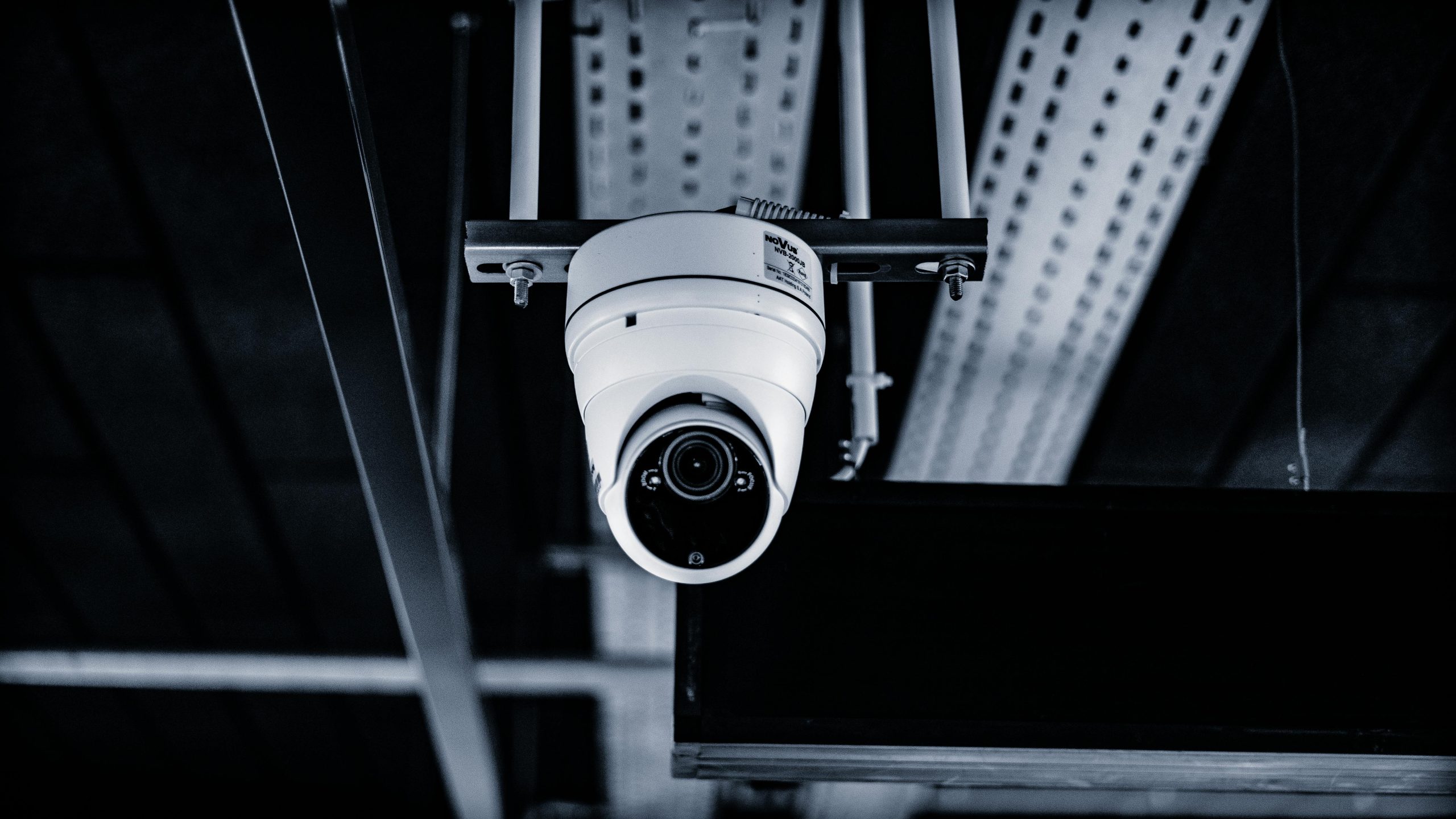
Best Security Products for Remote Monitoring
In today’s rapidly evolving technological landscape, security has become more sophisticated, and homeowners, businesses, and organizations alike are increasingly prioritizing remote monitoring solutions. The demand for best security products has never been higher, fueled by the need for real-time surveillance, immediate alerts, and integrated systems that enhance safety without compromising convenience. Remote monitoring allows individuals to oversee their properties from anywhere in the world, ensuring a proactive approach to security rather than a reactive one.
Modern security systems are no longer limited to traditional alarms and locks. They encompass a broad spectrum of devices designed to monitor, detect, and respond to potential threats efficiently. From AI-powered cameras to smart door locks and environmental sensors, these solutions offer unparalleled control and peace of mind. Understanding the features, technology, and applications of these devices is critical for anyone seeking the Best Security Products for remote monitoring.
- Why Remote Monitoring Is Essential
- Key Features of the Best Security Products
- Types of Security Products for Remote Monitoring
- Benefits of Investing in the Best Security Products
- How to Choose the Best Security Products
- Emerging Trends in Remote Monitoring Security
- Conclusion
- Frequently Asked Questions (FAQs)
Why Remote Monitoring Is Essential
The concept of remote monitoring transcends mere convenience. It fundamentally shifts the paradigm of security by providing constant vigilance. Property owners, whether managing a home, office, or industrial site, can access live feeds, receive alerts, and even interact with visitors or intruders remotely. The best security products leverage the latest advancements in technology, including cloud computing, artificial intelligence, and mobile integration, to deliver unmatched security coverage.
Remote monitoring ensures immediate action in emergencies. Traditional security systems rely heavily on human presence or delayed alerts. In contrast, modern systems equipped with motion detection, facial recognition, and intelligent notification systems allow for instant responses. The ability to monitor environments in real time dramatically reduces the risk of property damage, theft, and other security breaches.
Additionally, remote monitoring systems integrate seamlessly with mobile devices, enabling users to check live footage, manage security schedules, and configure alerts from smartphones or tablets. This level of accessibility enhances the best security products by making them adaptable to diverse lifestyles and operational requirements.
Key Features of the Best Security Products
Selecting the best security products for remote monitoring requires understanding the core features that differentiate high-quality devices from average options. These features not only enhance functionality but also ensure reliability, scalability, and ease of use.
1. High-Resolution Video and Imaging
The quality of visual data is paramount in remote monitoring. Advanced security cameras, often considered the cornerstone of modern systems, provide high-definition video streams that capture intricate details. The best security products feature 4K resolution or higher, enabling clear identification of individuals, license plates, and objects even in low-light conditions.
Infrared night vision capabilities further enhance monitoring during nighttime, ensuring that surveillance remains effective regardless of lighting conditions. AI-powered image processing reduces false alerts by distinguishing between humans, animals, and other movements, which is crucial for minimizing unnecessary notifications.
2. Smart Motion Detection and Analytics
Modern security solutions incorporate intelligent motion detection technology. Unlike traditional sensors, these systems analyze patterns, predict potential threats, and trigger alerts with precision. The best security products utilize machine learning algorithms to differentiate between routine activity and suspicious behavior.
Analytics features such as heat mapping, object tracking, and facial recognition enhance situational awareness. For businesses, these capabilities allow managers to monitor employee activity, ensure compliance, and optimize operational efficiency. For residential users, smart motion detection prevents intrusions and provides timely alerts for immediate action.
3. Remote Accessibility and Mobile Integration
The hallmark of remote monitoring is accessibility. Security products must provide seamless mobile integration, allowing users to access live feeds, historical data, and alerts from anywhere. The best security products offer intuitive apps and dashboards compatible with both iOS and Android devices.
Cloud-based storage further enhances remote accessibility, enabling secure storage of footage without the constraints of local devices. Users can review events, export recordings, and share evidence effortlessly. This integration ensures that security remains consistent and manageable regardless of physical location.
4. Environmental Sensors and Automation
Beyond cameras, the best security products incorporate environmental sensors that detect smoke, carbon monoxide, water leaks, and temperature fluctuations. These sensors are critical for preventing damage, enhancing safety, and providing alerts before minor issues escalate into major problems.
Automation is another essential feature. Systems can automatically lock doors, activate alarms, or trigger emergency lighting when threats are detected. Integration with smart home platforms allows for customized responses tailored to user preferences, enhancing both security and convenience.
5. Reliable Power and Connectivity
For remote monitoring systems to be effective, consistent power supply and connectivity are non-negotiable. The best security products include battery backups, surge protection, and redundant communication channels, ensuring uninterrupted performance even during power outages or network disruptions.
Connectivity options such as Wi-Fi, Ethernet, cellular backup, and mesh networking ensure reliable signal transmission. This redundancy is crucial for maintaining live monitoring capabilities and avoiding lapses in surveillance coverage.
Types of Security Products for Remote Monitoring
Remote monitoring encompasses a diverse array of devices. Choosing the best security products depends on the specific security goals, environmental conditions, and budget considerations.
1. Security Cameras
Cameras remain the backbone of remote monitoring. They come in multiple forms, including dome, bullet, PTZ (pan-tilt-zoom), and doorbell cameras. The best security products provide high-definition video, wide-angle coverage, night vision, and AI-enhanced motion detection. These devices often feature cloud recording and easy integration with mobile apps, offering users the flexibility to monitor live or review past footage conveniently.
2. Smart Door Locks and Entry Systems
Access control is a critical component of remote security. Smart locks allow homeowners and business managers to monitor and manage entry points remotely. The best security products enable features such as keyless entry, temporary access codes, and remote locking/unlocking. Integration with cameras and alarm systems ensures a comprehensive security ecosystem.
3. Alarm Systems and Sirens
Traditional alarms have evolved into smart, connected systems that provide real-time alerts to mobile devices. The best security products include silent and loud alarms, panic buttons, and automated notifications. They are designed to deter intruders while notifying users and emergency services simultaneously, enhancing both prevention and response.
4. Motion and Environmental Sensors
Sensors for motion, temperature, smoke, and water detection extend security coverage beyond visual monitoring. The best security products integrate seamlessly with central hubs, sending instant alerts when abnormal activity is detected. For instance, a water leak sensor can prevent costly damage, while a smoke detector integrated with remote monitoring ensures rapid evacuation notifications.
5. Complete Security Systems
For those seeking comprehensive solutions, integrated security systems combine cameras, locks, alarms, and sensors into a cohesive network. The best security products in this category offer centralized control, automated routines, and cloud-based storage. These systems are ideal for both residential and commercial properties, providing holistic security management.
Benefits of Investing in the Best Security Products
Investing in high-quality, remote monitoring-enabled security products yields tangible benefits for both personal and professional environments.
Enhanced Safety and Peace of Mind
Knowing that your property is monitored in real time significantly reduces anxiety and stress. The best security products provide continuous oversight, ensuring that any unusual activity is immediately detected and addressed.
Proactive Threat Management
Remote monitoring shifts security from a reactive to a proactive approach. Users receive instant alerts, allowing for timely intervention before incidents escalate. This proactive capability is especially valuable for businesses with high-value assets or residential users in areas with elevated crime rates.
Cost Savings and Efficiency
While the initial investment in top-tier security products may be higher, the long-term benefits often outweigh the costs. Reduced theft, minimized damage from environmental hazards, and decreased reliance on on-site security personnel contribute to overall cost efficiency.
Remote Control and Convenience
Accessibility and automation allow users to manage security systems with minimal effort. The best security products integrate seamlessly with smartphones, tablets, and home automation platforms, offering convenience without compromising security.
Scalability and Flexibility
Modern security solutions are highly scalable. Users can start with a basic setup and expand over time, adding cameras, sensors, or access control systems as needed. The best security products are designed to accommodate growth, adapting to changing security requirements efficiently.
How to Choose the Best Security Products
Selecting the best security products requires careful evaluation of features, reliability, and suitability for specific needs.
Assess Your Security Needs
Begin by identifying the areas that require monitoring and the types of threats most relevant to your property. Consider whether you need indoor surveillance, outdoor coverage, or both. Evaluate the necessity for environmental sensors and access control systems based on your lifestyle or business operations.
Evaluate Technology and Features
Compare devices based on video resolution, night vision, motion detection accuracy, mobile integration, and cloud storage options. The best security products combine multiple functionalities in a single device or system, providing comprehensive coverage without excessive complexity.
Consider Reliability and Support
Reliability is paramount in security products. Choose brands with proven performance records, robust warranties, and responsive customer support. The best security products offer consistent operation, even under challenging conditions such as power outages, extreme temperatures, or network instability.
Budget and Value
While premium devices offer superior features, it is essential to balance budget constraints with functional requirements. The best security products provide value through long-term durability, integration capabilities, and reduced maintenance needs, ensuring that the investment is worthwhile.
Ease of Installation and Maintenance
Complex systems may offer advanced features but can be challenging to install and maintain. The best security products prioritize user-friendly installation, intuitive interfaces, and minimal maintenance requirements, making them accessible to both tech-savvy users and beginners.
Emerging Trends in Remote Monitoring Security
The field of security technology is evolving rapidly, and staying informed about trends ensures that investments in the best security products remain relevant and effective.
Artificial Intelligence and Machine Learning
AI-powered systems are revolutionizing security monitoring by providing intelligent threat detection, predictive analysis, and automated responses. These technologies reduce false alarms, enhance accuracy, and optimize system efficiency.
Integration with Smart Home Ecosystems
Modern security devices are increasingly compatible with broader smart home ecosystems, allowing seamless communication between cameras, locks, sensors, and even lighting systems. This integration enhances convenience and provides a unified platform for property management.
Cloud-Based Monitoring and Storage
Cloud storage is becoming the standard for security footage, offering scalable storage, remote access, and data protection. The best security products leverage cloud technology to ensure that critical footage is secure, retrievable, and easily shareable with authorities if needed.
Mobile-First Security Solutions
As smartphones become the primary interface for monitoring, security products are being designed with mobile-first considerations. Intuitive apps, push notifications, and real-time alerts ensure that users remain connected to their properties at all times.
Enhanced Cybersecurity Measures
With increasing connectivity comes the risk of cyber threats. The best security products incorporate advanced encryption, secure data transmission, and regular firmware updates to protect against hacking and unauthorized access.
Conclusion
In an era where safety and convenience are paramount, investing in the best security products for remote monitoring is not just a luxury—it is a necessity. From high-definition cameras to intelligent sensors and integrated systems, modern security devices provide unparalleled oversight, immediate alerts, and peace of mind. By understanding features, evaluating technology, and selecting reliable solutions, homeowners and businesses can ensure that their properties are protected around the clock.
Remote monitoring represents the future of security, combining accessibility, intelligence, and efficiency. By prioritizing the best security products, users can proactively manage threats, safeguard their assets, and enjoy the confidence that comes with knowing their environment is continuously monitored and secure. Discover additional details on our homepage.
Frequently Asked Questions (FAQs)
What are the best security products for home remote monitoring?
The best security products for home use include high-definition cameras, smart door locks, motion sensors, and integrated alarm systems. These devices provide real-time alerts, mobile accessibility, and automated responses to potential threats.
How do I choose the best security products for my business?
Assess your property’s size, layout, and potential vulnerabilities. Look for devices with high-resolution cameras, AI motion detection, cloud storage, and scalability. Reliable brands with responsive support ensure consistent performance for business applications.
Can I integrate remote monitoring security products with my smart home?
Yes, the best security products are designed for seamless integration with smart home ecosystems, allowing cameras, locks, sensors, and alarms to communicate and be controlled from a unified platform.
Are cloud-based security products safe for storing surveillance footage?
Cloud-based systems provided by reputable manufacturers offer secure encryption, regular backups, and controlled access, ensuring that your footage remains safe, accessible, and protected from unauthorized users.
What features make a security product the best for remote monitoring?
Key features include high-definition video, intelligent motion detection, mobile accessibility, environmental sensors, automation capabilities, reliable power and connectivity, and robust cybersecurity measures.